Home · Guides · Tyres: choosing, pressures and temperature
Guide · Preparation
Tyres: choosing, pressures and temperature
The only point of contact with the road — the most important modification and often the cheapest in gain per euro.
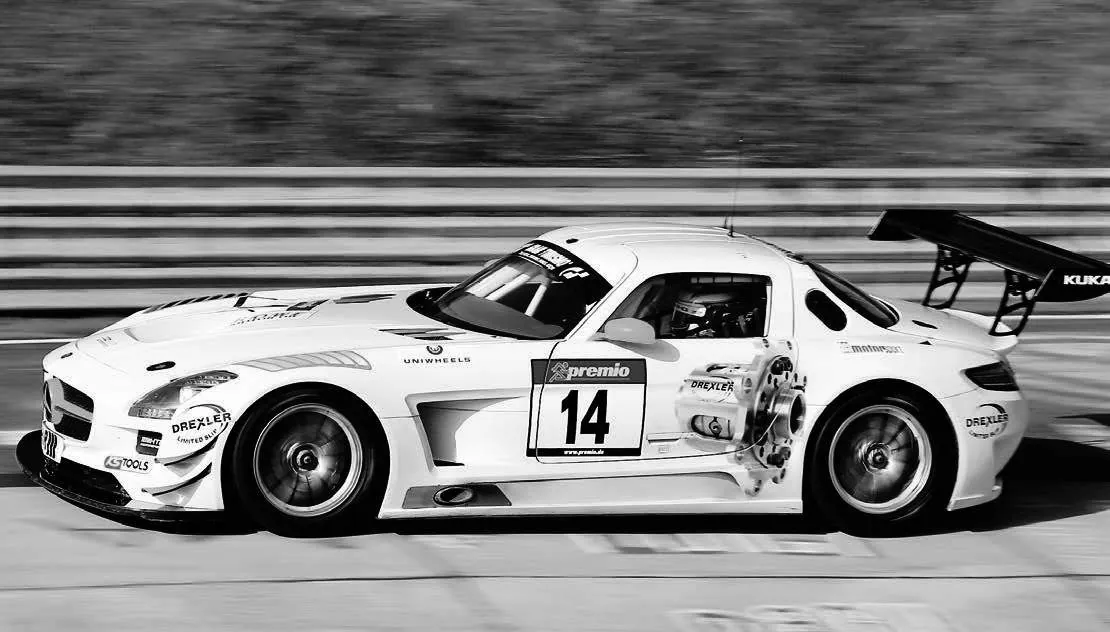
The tyre is the only point of contact between the car and the road — four patches the size of your palm through which everything the car does must pass. That makes it the most important modification of all, and often the one that gives the most time per euro. This guide shows how to choose the right tyre for the use, and how to get pressures and temperature right.
Why the tyre rules everything
Before spending on power, brakes or suspension, sort the tyre. The best damper in the world won't make up for a wrong or cold tyre; a good tyre, correctly inflated, transforms a standard car. It's the top of the order of priorities for a physical reason.
Types of tyre — and what they're for
From the most "road" to the most "track":
- Sporty road tyre (UHP) — good for mixed use and first track days; copes with rain and daily driving.
- Semi-slick (low treadwear, ~200–100) — far more grip in the dry, the jump most people feel most; less life and worse in the wet.
- Slick — no tread, dry competition only; maximum grip, needs temperature and rules that allow it.
- Wet — a tread pattern to clear water; a must-change when the track gets wet.
The treadwear (TW) marked on the sidewall is a good indicator: the lower it is, the more "track" (and less durable) the tyre tends to be.
A light hatchback on semi-slicks feels like a different car — grip climbs so much it's often the most-felt upgrade before touching anything else.
Pressures: cold and hot
The correct pressure is measured hot, after a few laps. Over-inflated, the tyre rides only on the centre, goes "greasy" and wears in the middle; under-inflated, it rolls onto the sidewall and wears on the shoulders. Start from a recommended hot target for the tyre, measure as soon as you come off track and adjust cold to reach it. Road, track and hillclimb call for different values — note yours.
Simple trick: mark the tyre shoulder with chalk. If the mark disappears completely, you're rolling onto the sidewall (too little pressure or too little camber); if only the centre wears, you have too much pressure.
Temperature: the window and how to read it
Every tyre has a temperature window where it grips best. Cold, it slides; overheated, it goes "greasy". With a pyrometer (temperature probe) read three points — outer, middle and inner — right after coming in. Much hotter on the inner edge usually means too much camber; hot shoulders and cold middle means too little pressure. It's the cheapest way to tune tyre, pressure and geometry together.
In the dry and with slicks at the right temperature, a balanced chassis like the 944's exploits everything the tyre has. The key is the tyre in its window, not more power.
Common mistakes
- Slicks in the rain — dangerous and, in competition, forbidden; switch to wets.
- Mixing types across the four corners — unbalances the car (and in competition leads to exclusion).
- Old or "cooked" tyres — the rubber hardens with age and heat cycles; a cheaper new tyre beats an old top-end one.
We help you get the wheel + tyre package right — size, ET, centring — plus the measuring tools to tune pressures and temperatures.
Talk to usFrequently asked questions
What's the difference between a semi-slick and a slick?
A semi-slick still has some tread and copes with mixed use and some rain; a slick has no tread, is dry-and-competition only, and needs temperature to give its best. For most track days, the semi-slick is the most-felt jump.
What pressure should I run on track?
Always measure hot, after a few laps, and adjust cold to reach the recommended hot target for the tyre. Over-inflated wears the centre and goes greasy; under-inflated rolls onto the sidewall. Road, track and hillclimb need different values.
How do I know if I have too much or too little camber?
Read the tyre temperature at three points right after coming off track. Much hotter on the inner edge usually means too much camber; cold middle and hot shoulders means too little pressure. A cheap pyrometer settles it.