Home · Guides · Cooling: what needs cooling (and what doesn't)
Guide · Preparation
Cooling: what needs cooling (and what doesn't)
Not everything needs an extra radiator. Measure first, then cool what matters, in the right order.
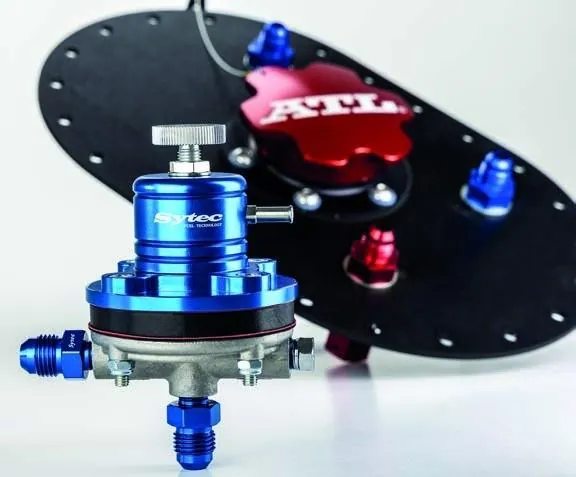
Not everything needs an extra radiator. Many people spend on cooling before they even know they have a problem. The right approach is simple: measure first, then cool what matters, in the right order. This guide says what heats up, what really counts and how to decide.
First: measure
Before buying anything, fit water and oil temperature gauges. Without data, you're guessing. Often you find the water is under control and only the oil climbs in long sessions — and the solution turns out cheaper and more precise.
Temperature, pressure and data gauges and displays — so you know what really needs cooling.
See electronicsWhat heats up and matters
In the usual order of priority:
- Coolant (radiator) — the base. A radiator in good condition with no air in the system solves most cases.
- Engine oil (oil cooler) — when temperatures climb in long sessions or under high load.
- Brakes (air ducting) — very cheap and very effective on track.
- Gearbox and differential — mainly in endurance.
- Intake air (intercooler) — essential on turbo engines.
Do you really need an oil cooler?
It depends on the use. A naturally aspirated engine in short sprints or a hillclimb often does not need one. Long track sessions, repeated climbs, turbo engines or oil temperatures sustained above ~120 °C: then yes, an oil cooler (with a thermostat) pays off. That's why you measure first — the answer is in your car's numbers, not in a general rule.
The E36 in long sessions benefits from an oil cooler; the turbo Civic gains far more from a good intercooler than from anything else. Different uses, different priorities.
Getting the hot air out is half the job
There's little point feeding in fresh air if the hot air can't leave. Bonnet vents, extractors above the radiators and an undertray that guides the flow often make more difference than a bigger radiator. Think about the air's path, not just the radiator.
Brakes: cheapest first
Before expensive kits, simple air ducting feeding flow to the brakes lowers the temperature, protects the fluid and pads and keeps braking consistent through the session. Big effect, little money (see the brakes guide).
Priority in short
- Measure (water and oil gauges).
- Water radiator in good order, system free of air.
- Air ducting to the brakes.
- Oil cooler — if the numbers justify it.
- Intercooler — a must on turbo.
- Make sure the hot air gets out.
Radiators, oil coolers, silicone hoses, fans and ducting — recommended from your car's real temperatures.
See fuel, oil & coolingFrequently asked questions
Do I need an oil cooler?
It depends on the use and the real temperatures. Naturally aspirated engines in short sprints often don't; long sessions, repeated hillclimbs, turbos or oil sustained above ~120 °C justify one. Measure first with an oil temperature gauge.
What should I cool first on a track car?
Make sure the water radiator is in good condition and the system is free of air, then air ducting to the brakes (cheap and effective). Oil and intercooler come in according to the engine and use.
Why does my car overheat even with a big radiator?
Often the problem is getting the hot air out, not letting it in. Without bonnet vents or extraction above the radiator, the hot air gets trapped. Work on the air's path, not just the radiator size.